Blog

Why Infrastructure Projects (Roads & Utilities) Need High‑Quality Drafting

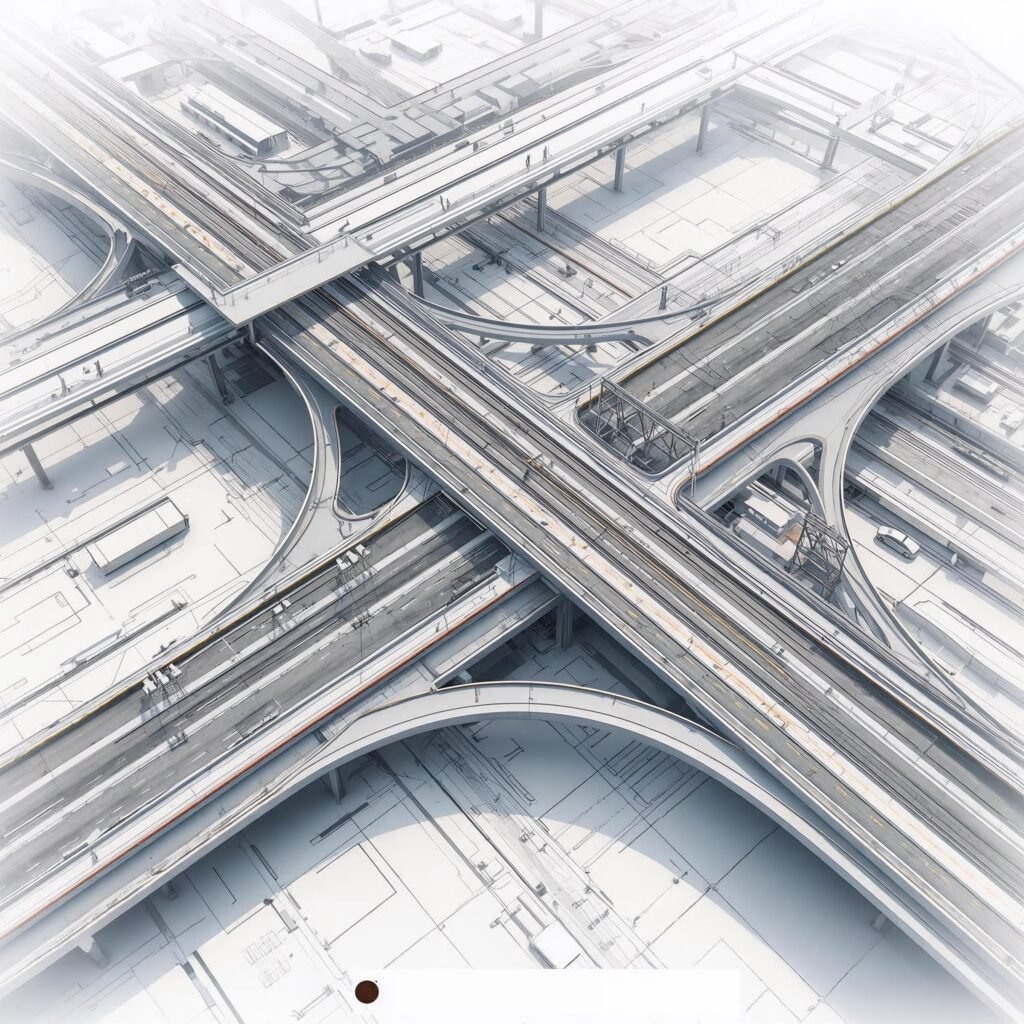
Why Infrastructure Projects (Roads & Utilities) Need High Quality Drafting Highlights: Roads and utilities require precise drafting due to safety and alignment issues Poor drafting can cause service clashes, level mismatches, and approval delays Professional drafting improves coordination between authorities

Why Infrastructure Projects (Roads & Utilities) Need High‑Quality Drafting Read More »

UAE Municipality Drawing Requirements: Simple Guide for Homeowners & Contractors

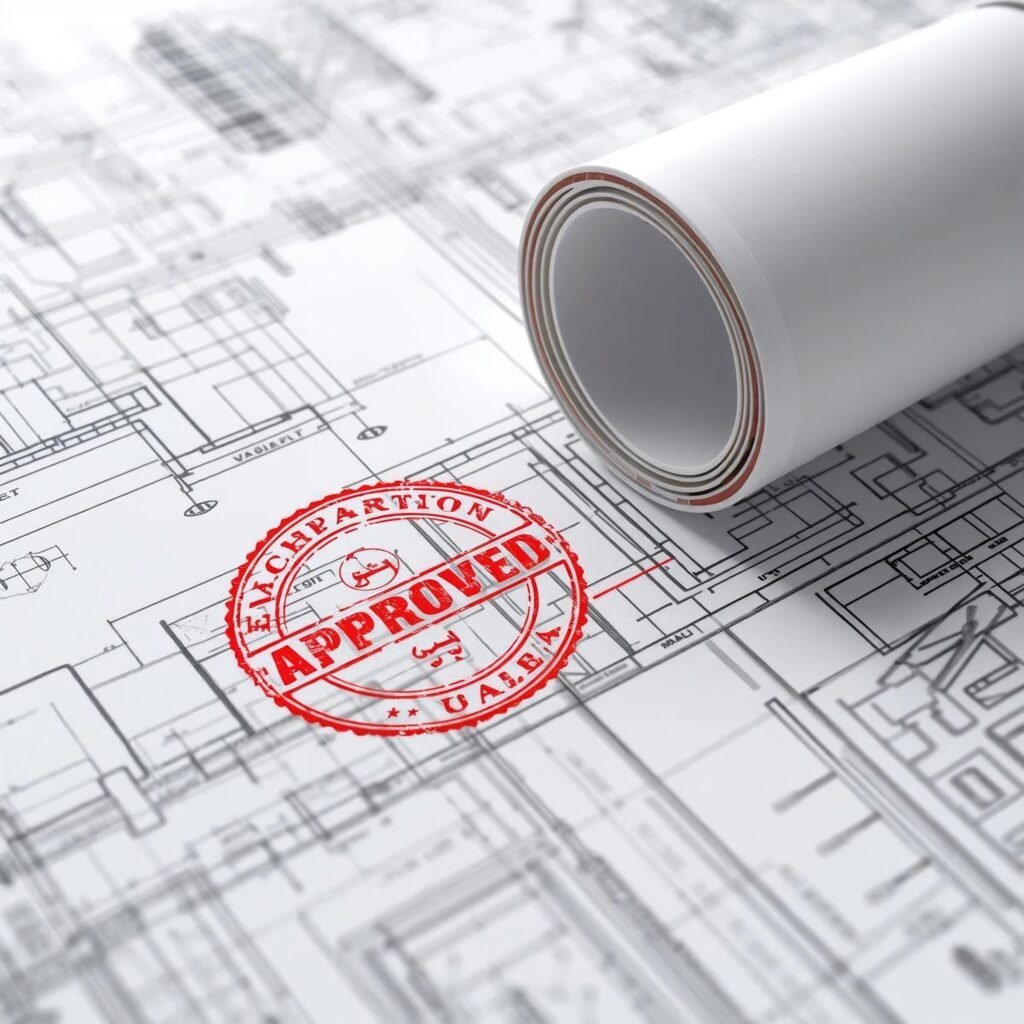
Understanding Municipality Drawing Requirements in the UAE Whether building a villa, warehouse, or extension, UAE municipalities follow strict drawing requirements. Understanding them helps prevent rejection and delays Common Requirements: Proper scaling and layers Clear dimensions Accurate site plan Structural details MEP layouts Compliance with building codes Conclusion Working with an experienced drafting company ensures your drawings meet municipality standards the first time.

UAE Municipality Drawing Requirements: Simple Guide for Homeowners & Contractors Read More »

CAD vs BIM: Simple Guide to Choosing the Right Drafting Method

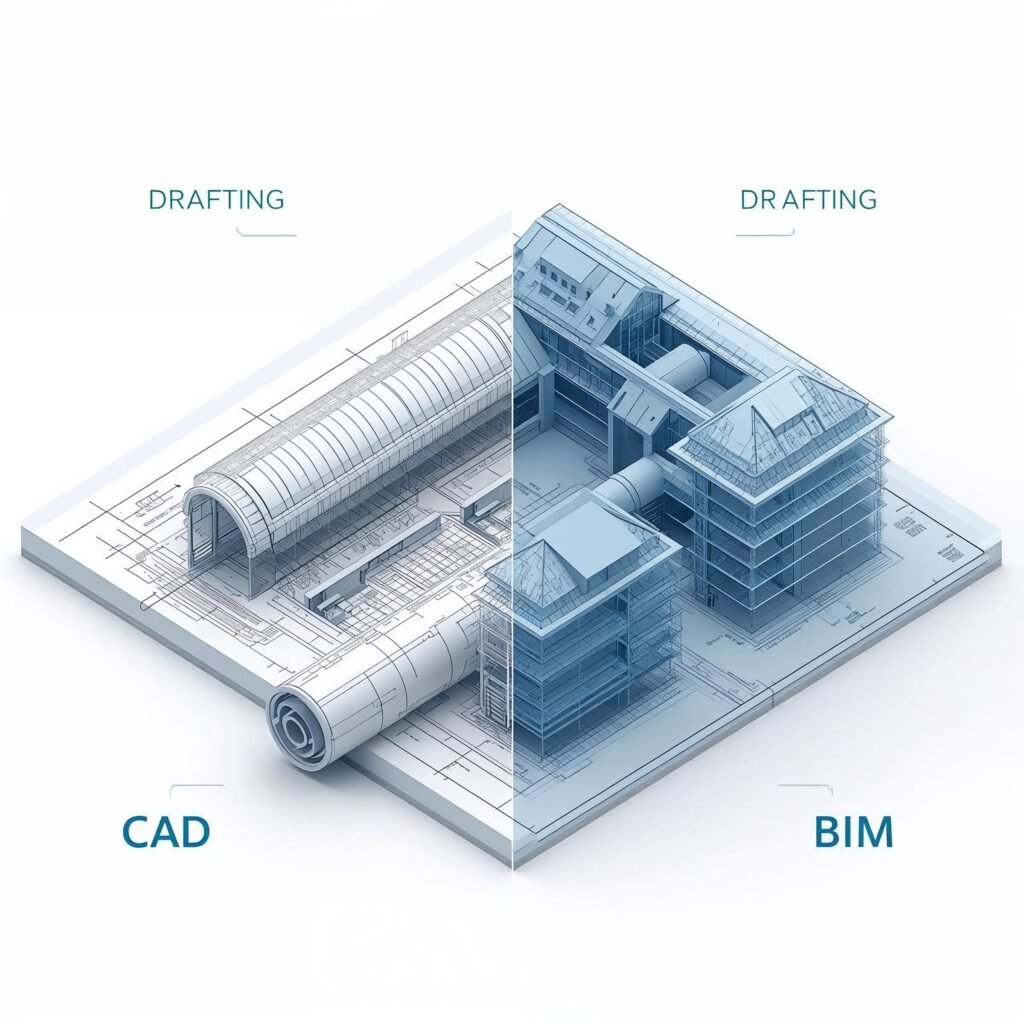
Difference Between CAD Drafting and BIM – Which One Do You Need? What Is CAD? CAD (Computer-Aided Design) creates 2D drawings like: Plans Sections Elevations Details Perfect for villas, warehouses, shop drawings, utilities, and general drafting. What Is BIM? BIM (Building Information Modeling) creates 3D intelligent models with real data: Revit Navisworks Used for large projects requiring coordination and clash detection. When to Use CAD Choose CAD when you need: Simple 2D drawings Shop drawings Utility layouts Cost-effective solutions When to Use BIM Choose BIM when: Projects are large Multiple disciplines must be coordinated You need 3D visualization Clash detection is essential Conclusion Both CAD and BIM are useful. Smaller projects benefit from CAD, while complex buildings benefit from BIM. The right choice depends on your project size and requirements.

CAD vs BIM: Simple Guide to Choosing the Right Drafting Method Read More »

Importance of Utility Drafting: Preventing Site Conflicts and Costly Rework

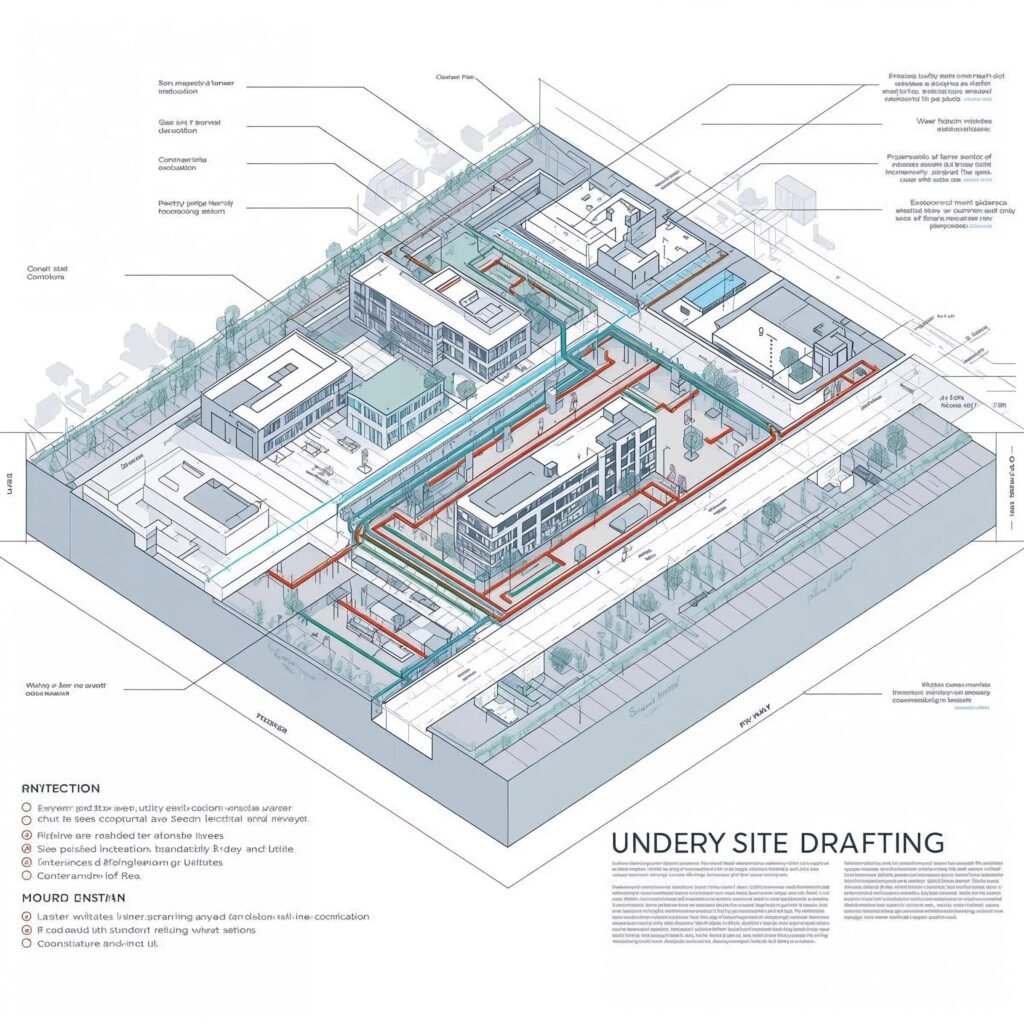
How Utility Drafting Helps Avoid Site Conflicts and Rework Underground utilities — water, sewer, stormwater, electrical, telecom, irrigation — must be drafted with high accuracy. Poor drafting leads to major site conflicts, delays, and costly rework. Clash Detection and Avoidance Utility drafting highlights potential clashes between: Water & sewer Electrical & telecom Stormwater & existing services Road levels & utility crossings Proper coordination prevents damage, delays, and redesign. Accurate Trench and Depth Planning Utility drawings help determine: Required trench sizes Minimum clearances Pipe cover requirements Crossing points This ensures safe installation. Smooth Consultant and Municipality Approvals Authorities require precise utility layouts. Accurate drafting helps secure approvals without repeated submissions. Reduces Rework and Increases Safety Errors underground are expensive and dangerous. Proper drafting helps avoid: Excavation mistakes Line breaks Service disruptions Legal penalties Conclusion Utility drafting is not just a drawing — it is a critical step in ensuring safe and conflict-free construction.

Importance of Utility Drafting: Preventing Site Conflicts and Costly Rework Read More »

Drafting Workflow Explained: How Drawings Move From Concept to Final Approval

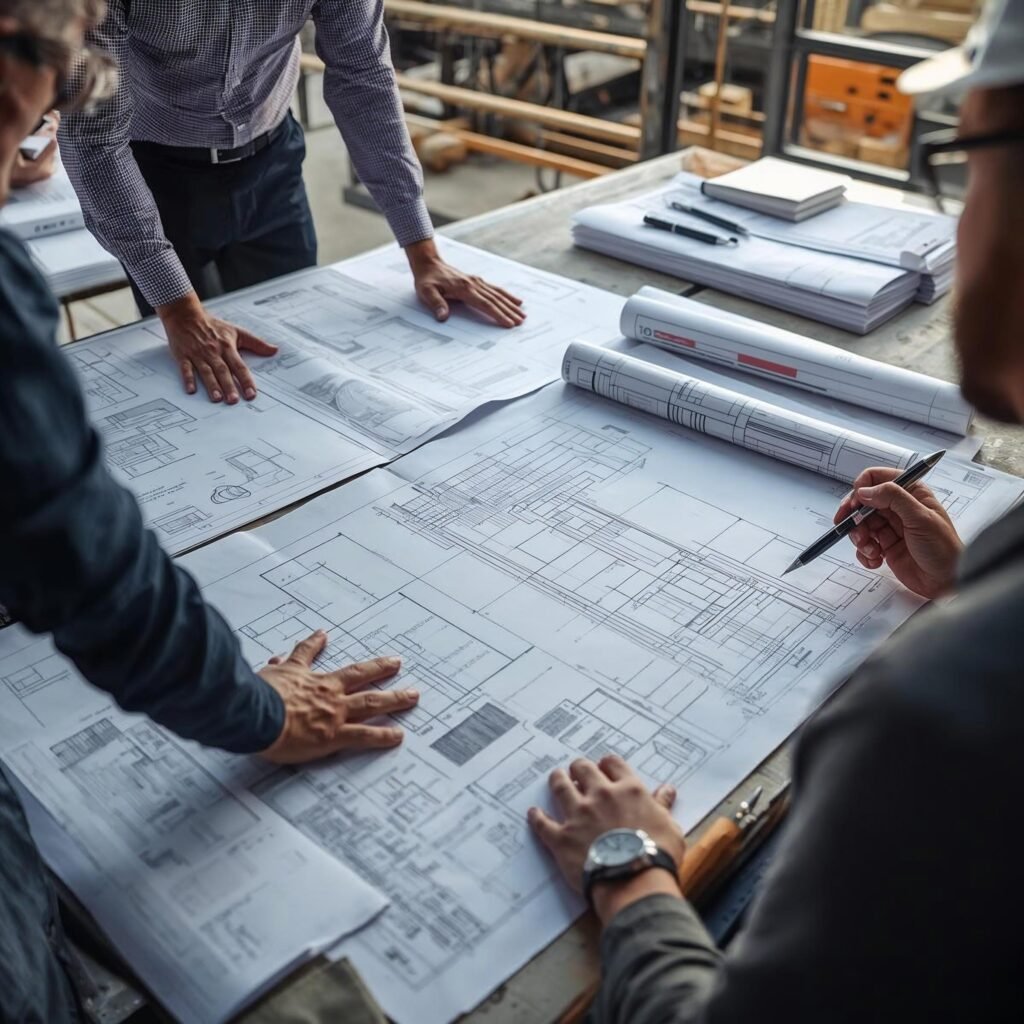
The Workflow of a Drafting Project – From Concept to Final Drawings Clients often wonder how drafting companies take an idea and turn it into clear, professional drawings. Understanding this workflow builds trust and shows the professionalism behind every project. Initial Meeting and Requirement Collection The process begins with collecting all information: Concept sketches Survey details Specifications Consultant comments Municipality guidelines This ensures clarity before starting. Drafting the Initial Layout Based on gathered data, the draftsman prepares preliminary drawings using AutoCAD or other design tools. This stage focuses on: Correct dimensions Efficient space planning Structural feasibility Utility alignment Internal Quality Check Before sharing with the client: Dimensions are verified Layers and standards are checked Errors are corrected This minimizes revisions later. Client Review and Feedback The initial drawing is shared with the client or consultant.Typical feedback includes: Modified dimensions Added details Design changes Compliance adjustments Final Drawings Preparation After revisions, final technical drawings are prepared: Plans Sections Elevations Details Schedules Submission-Ready Output The completed drawings are presented in the correct format: Proper scaling Title blocks Legends Standard layers Conclusion Each drafting project follows a structured path, ensuring accuracy and quality from the first sketch to the final approved drawing.

Drafting Workflow Explained: How Drawings Move From Concept to Final Approval Read More »

Why Contractors Should Outsource Drafting Services for Faster Project Delivery

Why Outsourcing Drafting Services Saves Time for Contractors In today’s fast‑paced construction environment, contractors are expected to deliver accurate drawings quickly while keeping projects on schedule. However, in-house drafting often becomes a bottleneck due to limited manpower, tight timelines, and high workload. This is where outsourcing drafting services becomes a smart and cost‑effective solution. Faster Turnaround and Quick Delivery Professional drafting companies work with dedicated teams who handle drafting daily. Their specialized workflow ensures drawings are completed faster compared to in-house draftsmen juggling multiple tasks. Faster Turnaround and Quick Delivery Reduced waiting time for drawings Faster submission to consultants Shorter project delivery schedules Cost-Effective Compared to Hiring Full-Time Staff Hiring a full-time draftsman requires salary, visas, insurance, software licenses, workspace, and training. Outsourcing eliminates these costs. You only pay for the drawings you need — no monthly expenses. Access to Skilled Drafters with Industry Experience Drafting companies handle various projects (villas, buildings, warehouses, utilities, MEP), so they understand consultant standards, municipal requirements, and coordination issues. This experience helps avoid rework and repeated comments during approvals. Allows Contractors to Focus on Execution Instead of spending time correcting drawings, contractors can focus on: Site supervision Material procurement Resource planning Meeting deadlines The result? Less stress and smoother operations. Conclusion Outsourcing drafting is no longer optional — it is a strategic advantage. Contractors save time, reduce costs, and ensure high-quality drawings without the hassle of managing a drafting team.


Why Contractors Should Outsource Drafting Services for Faster Project Delivery Read More »